


-

Add: HeBei ShengShi HongBang Cellulose Technology CO.,LTD.
-

Email
13180486930@163.com -

CONTACT US
+86 13180486930





Hydroxypropyl methylcellulose (HPMC) is widely recognized as a versatile compound that finds its application across various industries. Preparing HPMC solutions is paramount for ensuring its effective performance, whether in pharmaceuticals, food processing, or construction. This article sheds light on the expertise required, authoritative guidelines, and trustworthy methodologies associated with HPMC solution preparation. Experience in HPMC solution preparation reveals that the process is both an art and a science, demanding precision and knowledge. Users often face challenges such as insolubility, clumping, or achieving the desired viscosity. These challenges can be mitigated by following specific preparation steps . Here, I will share a streamlined process derived from years of hands-on experience 1. Selection of Grade The choice of HPMC grade significantly influences the end properties of the solution. Different grades offer varying viscosities and gel temperatures, making it crucial to consult technical specification sheets provided by manufacturers to select the right grade for your application needs. 2. Water Quality The quality of solvent, usually water, plays a critical role. Using deionized or distilled water enhances solubility and prevents any potential reactions from contaminants. Experience confirms that temperature-controlled environments boost the solubility rate and uniformity of HPMC throughout the solution. 3. Dispersion Technique Accurate dispersion ensures the complete hydration of HPMC without forming clumps. Begin by sprinkling HPMC slowly into the solvent while stirring continuously. An authoritative tip involves using mechanical stirrers to maintain a consistent dispersal, achieving a lump-free solution efficiently. 4. Temperature Control The temperature of the solvent should be monitored closely. HPMC tends to dissolve better in cold water. By initially employing cold water to disperse the HPMC and later heating it up if the application demands a higher temperature, one can secure optimal results. hpmc solution preparation 5. Hydration Time Time is a crucial factor in preparing an HPMC solution. Allow the solution to hydrate fully, which might take several hours depending on the grade and environmental conditions. Patience is key as incomplete hydration could result in suboptimal solution properties. 6. pH Adjustment For applications requiring specific pH levels, adjust the pH of the solution after full hydration. Different grades of HPMC might react differently to pH adjustments, so it's advisable to conduct small-scale tests before full-scale operations. From a professional standpoint, the expertise of troubleshooting common issues cannot be overstated. In some cases, adding a non-ionic surfactant can assist in reducing surface tension and improving solubility. Furthermore, employing an industrial homogenizer can yield a finer, more consistent HPMC solution in high-demand applications. To establish authority in the preparation of HPMC solutions, it’s paramount to adhere to standardized practices as endorsed by industry leaders. Following guidelines from entities like the United States Pharmacopeia (USP) can ensure compliance and efficacy in pharmaceutical applications. Maintaining a record of every batch's preparation details ensures traceability and identifies areas for future optimization. Trustworthiness is built through consistency and transparency. Regularly testing and documenting the rheological properties of prepared solutions guarantees batch-to-batch uniformity. For enhanced credibility, consider third-party verification from accredited laboratories to validate the effectiveness and safety of the final solution. In conclusion, HPMC solution preparation demands a blend of practical experience, specialized knowledge, and adherence to authoritative protocols. By following these best practices, one can ensure the creation of high-quality HPMC solutions suitable for a variety of applications, ultimately fostering trust and reliability in the end product.
- 40000tons

Production
- 20+years

Experience
- 5000+㎡

Acreage

-
Hydroxypropyl methylcellulose, commonly known by its acronym HPMC, stands as one of the most pivotal assets in the realm of industrial and pharmaceutical innovation. Demonstrating versatility, HPMC is revered for its impressive blend of properties, making it essential for various industries. Understanding HPMC’s breadth of applications provides significant insights for manufacturers and product developers alike. The journey of HPMC begins with its origin as a cellulose derivative, ensuring it's inherently natural yet highly adaptable. Cellulose itself is the most abundant natural polymer, providing HPMC with a sturdy foundation in ecological compatibility. This biocompatibility is a significant factor in its safety profile, making it a top choice among health-conscious industries. In pharmaceuticals , the significance of HPMC cannot be overstated. It serves as a skeleton for tablet formation, offering excellent binding properties and ensuring tablets maintain their integrity during production, packaging, and shelf life. Moreover, its ability to control the release rate of active ingredients revolutionizes the way medications are consumed. Through sustained or controlled-release formulations, patients experience consistent therapeutic effects, enhancing medication efficiency and compliance. The controlled release mechanism is the fruit of expert research and development efforts, propelling HPMC as an authoritative choice for advanced drug delivery systems. The food industry similarly benefits from HPMC's versatility. Acting as a stabilizer, emulsifier, and thickener, it is vital in ensuring food products maintain desirable textures and consistency. Whether in low-fat margarine, whipped toppings, or bakery goods, HPMC is essential for achieving the right mouthfeel and stability that consumers demand. Companies leveraging HPMC can deliver healthier alternatives without compromising on taste or texture, a feat driven by the trust in its properties. Beyond pharmaceuticals and food, HPMC’s role in the construction industry underlines its broad applicability. As a cement modification agent and adhesive, HPMC enhances water retention and workability in mortars and plasters. This contribution is vital in producing durable healthcare and educational facilities, thereby building credible solutions for infrastructural challenges. hpmc meaning The cosmetic sector also reaps the benefits of HPMC, particularly due to its non-toxic nature. In shampoos, conditioners, and lotions, it serves as a thickener and stabilizer. With consumers increasingly seeking transparency and safety in personal care products, the trustworthiness of HPMC as a natural-based product is invaluable. Ensuring the quality and reliability of HPMC involves adherence to rigorous industry standards and continuous innovation. Producers of HPMC are often engaged in ongoing research, spearheading breakthroughs in polymer science which strengthen its applications. This expertise is reflected in the meticulous production process, where quality control is paramount, guaranteeing product consistency and safety for end-users. Educational resources and training for professionals involved in product formulation with HPMC are essential. By equipping industry professionals with comprehensive knowledge regarding HPMC’s functionalities and applications, companies instill a level of trust and authoritative expertise that drives market confidence. Consumer awareness about HPMC’s benefits is equally crucial. Transparency in labeling and clear communication from manufacturers about the role of HPMC in their products can enhance credibility. By sharing real customer experiences and expert endorsements, companies can effectively convey the trustworthiness and indispensable nature of HPMC. In conclusion, HPMC is not merely an additive; it's a cornerstone of modern product development across diverse industries. Its remarkable balance of experience-rooted performance, expert-driven innovations, and trustworthy attributes make it indispensable for manufacturers committed to quality and consumer safety. As industries continue to evolve, the role of HPMC is likely to expand further, solidifying its position as a key player in future advancements. By marrying cutting-edge research with sustainable practices, HPMC remains an essential tool for innovation and efficiency, showcasing its enduring relevance across the global market.
-
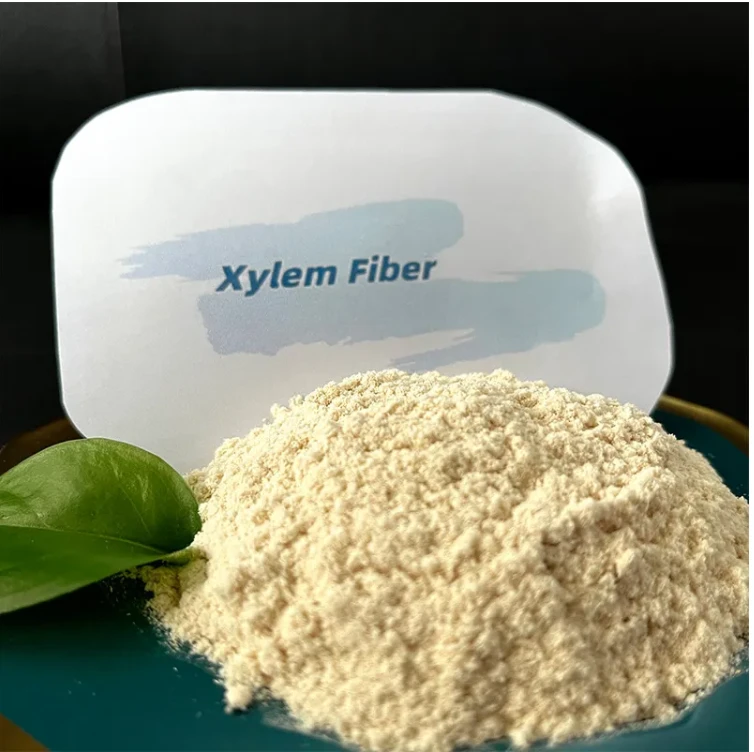
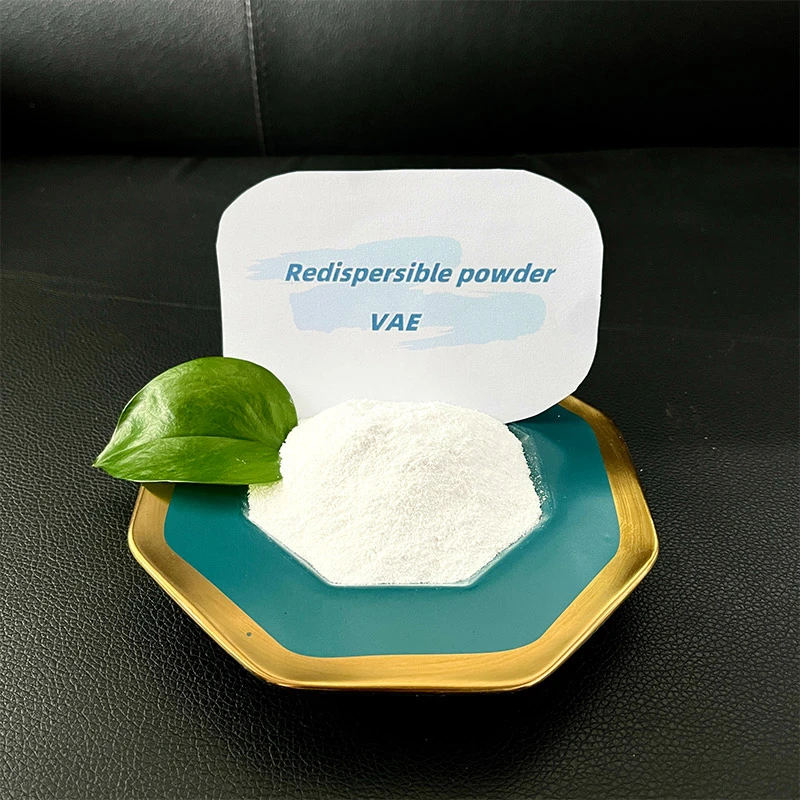
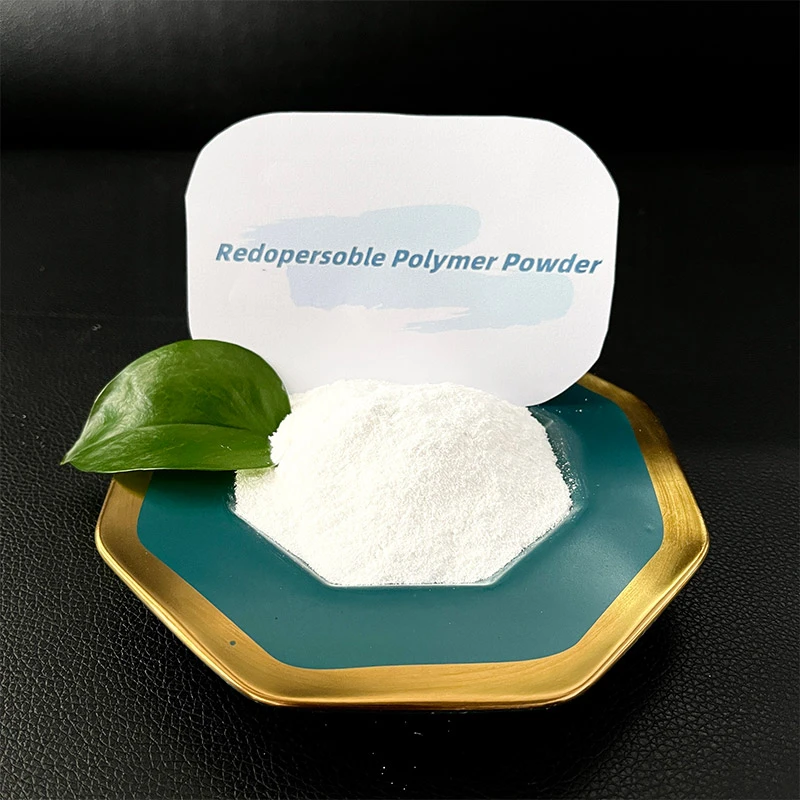
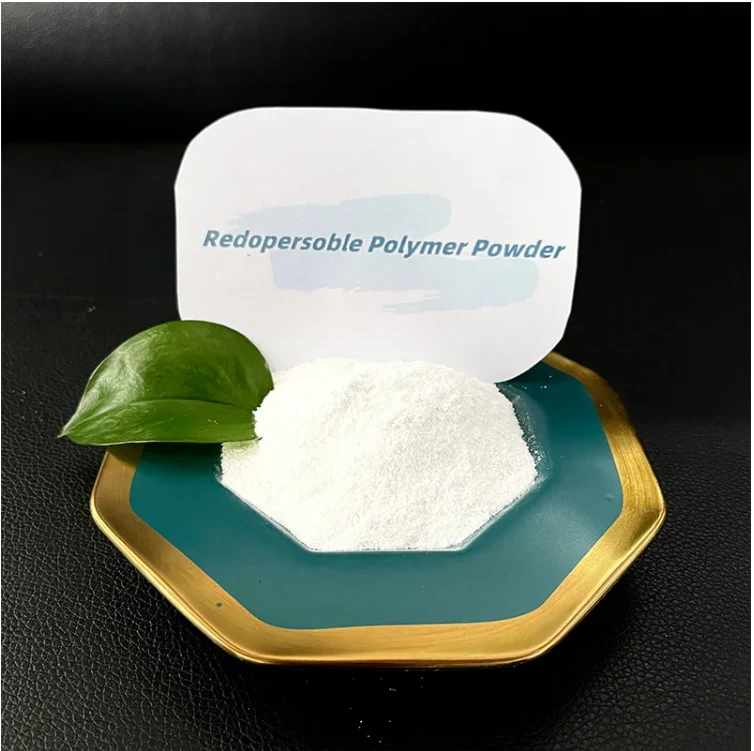
The construction industry is continuously evolving, with new innovations and materials that help improve the quality and durability of structures. Among these innovations is redispersible emulsion powder , a crucial ingredient in modern construction materials. It plays a significant role in enhancing the performance of cement-based products, making them more effective and reliable. This versatile powder is commonly used in applications such as tile adhesives, plasters, self-leveling floors, and repair mortars. It adds exceptional flexibility, adhesion, and durability to these materials, allowing them to withstand the stresses of daily use and harsh environmental conditions. In this article, we will dive deeper into the world of redispersible emulsion powder , examining its characteristics, advantages, and why it has become a key player in the construction industry. We will also explore the process of choosing the right redispersible polymer powder manufacturers , factors influencing polymer powder price , and more. What is Redispersible Emulsion Powder? Redispersible emulsion powder is a fine, white powder made from a polymer emulsion. It is produced by drying the polymer emulsion into a powder form, which can easily be mixed with water to rehydrate and return to its original emulsion state. Once mixed with water, it redisperses, providing excellent bonding properties, flexibility, and water resistance to cement-based mixtures. This ability to reform a stable polymer dispersion makes it an essential ingredient in construction products. The use of redispersible emulsion powder can be seen in a variety of applications, particularly in the creation of adhesives and coatings. In tile adhesives, for example, it helps create a strong bond between the tile and the substrate, reducing the risk of tiles coming loose. In exterior plaster and facade coatings, it provides water resistance and flexibility, which is essential for withstanding environmental stresses such as wind, rain, and UV exposure. The powder is especially important in self-leveling floor systems, where it enhances the material's workability, ensuring it spreads easily and bonds securely to the substrate. Additionally, redispersible emulsion powder is commonly used in repair mortars for its superior adhesion to old concrete and other surfaces. Advantages of Using Redispersible Emulsion Powder The widespread use of redispersible emulsion powder in construction materials is due to its many advantages. One of its most significant benefits is its ability to improve the bonding of cement-based mixtures to a variety of surfaces. The polymer powder significantly enhances the adhesive strength of the materials, reducing the likelihood of peeling, delamination, or failure, especially in high-stress areas. Another key advantage is the improvement in flexibility. The polymer powder enhances the flexibility of construction materials, which is particularly beneficial for areas that experience movement or stress, such as floors and facades. This added flexibility helps to prevent cracks, ensuring that the materials last longer and maintain their integrity over time. In addition to flexibility, redispersible emulsion powder also provides better water resistance. This is especially important in exterior applications or areas exposed to high moisture levels. For example, in tile adhesives or exterior plasters, the polymer powder reduces water absorption and improves the longevity of the material. The powder also improves the workability of construction mixtures, making them easier to apply and spread over surfaces. The ability to adjust the consistency of the mixture with the addition of redispersible emulsion powder allows for smoother applications and better finishing results. Lastly, the cost-effectiveness of redispersible emulsion powder makes it an attractive option for construction projects. While it enhances the performance of the materials, it is still relatively affordable compared to other polymer additives, offering excellent value for the quality it provides. Choosing the Right Redispersible Polymer Powder Manufacturers When selecting a redispersible polymer powder manufacturer , it is essential to choose a reputable and reliable supplier. The quality of the product you use will directly affect the performance of your construction materials. Here are some key factors to consider when choosing a manufacturer: First and foremost, product quality should be your top priority. Choose a manufacturer who adheres to strict quality control measures to ensure the consistency and reliability of their products. High-quality polymer powders lead to better-performing construction materials, reducing the chances of failures or defects during construction. In addition to quality, consider the manufacturer’s ability to provide consistent supply and timely deliveries. Construction projects often have tight timelines, and delays in material delivery can impact the overall project schedule. A manufacturer with a solid track record of on-time delivery and sufficient stock can help you avoid project delays. It is also important to choose a manufacturer who is committed to innovation and research. New formulations and advancements in technology can improve the performance of redispersible polymer powders , offering enhanced characteristics like better water resistance, lower viscosity, or quicker curing times. A manufacturer focused on innovation will provide you with products that meet the latest industry standards and trends. Another crucial factor to consider is the level of customer support the manufacturer offers. Good customer service ensures that you can get the answers you need, whether it’s technical assistance or help with product selection. A knowledgeable and responsive support team can make a significant difference when you need advice on using the product in specific applications. Finally, the price of the product is a crucial consideration. While redispersible polymer powders are relatively cost-effective, prices can vary between manufacturers. It’s important to balance quality with cost, ensuring that you get the best value for your budget. Understanding the Polymer Powder Price The polymer powder price is an important factor for construction professionals when selecting materials for a project. The price of redispersible polymer powder can vary depending on several factors. One of the primary determinants of price is the cost of raw materials. The quality and availability of the raw materials used to produce the polymer can impact the overall price of the powder. The production process also plays a role in determining the price. Manufacturers who use advanced equipment and technologies may produce polymer powders that have enhanced performance characteristics. While these products might come at a higher price, they often offer superior qualities, such as better flexibility, adhesion, or water resistance, which can be valuable in certain applications. Market demand is another significant factor that influences the price of polymer powders. During peak construction seasons, when demand for building materials is high, the price of redispersible polymer powder may increase. Conversely, during off-seasons, manufacturers may lower prices to remain competitive in the market. Shipping and packaging costs can also affect the price. Bulk orders typically come at a lower cost per unit compared to smaller orders, as they reduce the need for extensive packaging and transportation logistics. Selecting the Right Polymer Powder for Your Project Selecting the right redispersible polymer powder for your construction project is crucial for achieving the desired results. Not all polymer powders are the same, and each formulation has its unique characteristics. Factors such as environmental conditions, the type of substrate, and the specific performance requirements of your application will all influence the type of polymer powder you choose. When working on a project exposed to moisture or harsh weather conditions, you will need a polymer powder that offers excellent water resistance. For applications like exterior plaster or tile adhesives, this is especially important to prevent the material from weakening over time due to water absorption. Consider the type of surface you are working with as well. For porous surfaces, such as concrete, a polymer powder with strong adhesive properties will help ensure a solid bond. For smoother surfaces, such as tiles, look for a polymer that enhances the workability and ease of application. Understanding the performance properties of the polymer powder is also essential. Depending on your project, you may need a product that offers enhanced flexibility, faster drying times, or improved adhesion. Be sure to evaluate your specific needs before selecting the right polymer powder for your application. Redispersible polymer powder FAQs What is redispersible emulsion powder used for in construction? Redispersible emulsion powder is used to enhance the performance of cement-based materials. It is commonly added to tile adhesives, plasters, repair mortars, and other construction products to improve bonding, flexibility, water resistance, and workability. How do I choose a redispersible polymer powder manufacturer? To choose a reliable manufacturer, look for a company with a strong reputation for product quality, consistency, and on-time delivery. It’s also important to consider the manufacturer’s innovation in product development and the level of customer support they provide. Why does the polymer powder price vary? The price of polymer powder varies due to factors such as raw material costs, production methods, market demand, packaging, and shipping. Higher-quality powders with additional performance characteristics may be priced higher than standard options. Can redispersible emulsion powder be used for exterior applications? Yes, redispersible emulsion powder is highly effective for exterior applications. It improves the water resistance and flexibility of exterior plasters and coatings, making them more durable in harsh weather conditions. What are the key benefits of using redispersible polymer powder in construction materials? The key benefits include enhanced adhesion, improved flexibility, water resistance, and better workability. These qualities help ensure the durability and longevity of construction materials, especially in demanding applications.
advantages
-

200000 Viscosities
Excellent product
We can produce pure products up to 200,000 viscosities
-

40000 tons
High yield
We don’t stop production all year round, and the annual output can reach 40,000 tons
-

24 hours
Quality service
We provide 24-hours online reception service, welcome to consult at any time
———— Inquiry Form
Schedule A services



-
 hpmc_e15_uses
Oct . 25, 2025
The Advantages of Glass Fiber Reinforced Polypropylene In recent years, the demand for advanced mate -
 hpmc_viscosity
Oct . 25, 2025
The world of hair care is evolving, with consumers seeking products that not only meet aesthetic des -
 hpmc_coating
Oct . 25, 2025
Understanding the properties and applications of HPMC K15M viscosity is critical for industries rang


